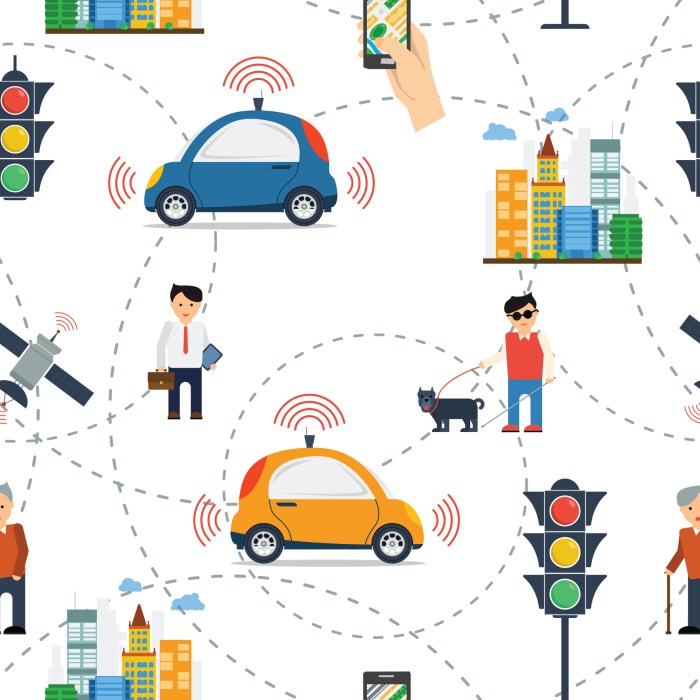
Autonomous car connectivity features are revolutionizing the automotive landscape, paving the way for vehicles that can communicate with each other and their environment. This connectivity is not just a technological upgrade; it actively enhances safety, efficiency, and the overall driving experience. As we dive into this topic, we will explore how these features are shaping the future of transportation and what they mean for car owners and manufacturers alike.
At the heart of autonomous vehicles lies a sophisticated web of connectivity technologies, including Vehicle-to-Everything (V2X) communication and the Internet of Things (IoT). These innovations not only improve vehicle performance but also create new opportunities for personalization and energy efficiency. With an array of applications, from enhanced safety measures to entertainment systems, the connectivity features of autonomous cars are set to change how we think about mobility.
Autonomous Car Connectivity Features Overview
The rise of autonomous vehicles is not just about the ability to drive without human intervention; it is also heavily reliant on advanced connectivity features that ensure these vehicles operate safely and efficiently. Connectivity in autonomous cars enables real-time communication with other vehicles, infrastructure, and even pedestrians, creating a network that enhances overall performance. This integration of technology is crucial for navigating complex environments and ensuring safety on the roads.The significance of connectivity in autonomous vehicle performance cannot be overstated.
By leveraging various technologies, autonomous cars can process vast amounts of data to make informed driving decisions. Examples of current technologies used in autonomous car connectivity include 5G networks, Vehicle-to-Everything (V2X) communication, and cloud computing, which collectively improve navigation accuracy, traffic management, and safety protocols.
Vehicle-to-Everything (V2X) Communication
Vehicle-to-Everything (V2X) communication encompasses various communication types such as Vehicle-to-Vehicle (V2V), Vehicle-to-Infrastructure (V2I), Vehicle-to-Pedestrian (V2P), and Vehicle-to-Cloud (V2C). These systems are crucial for enabling vehicles to share information about traffic conditions, hazards, and road rules, which enhances the overall safety and efficiency of autonomous driving.V2X communication significantly improves safety and traffic management by providing vehicles with the ability to anticipate and react to potential dangers.
For example, if a vehicle detects a pedestrian crossing the road, it can communicate this information to other nearby vehicles to prevent accidents. Additionally, V2X communication can optimize traffic flow, reducing congestion and emissions.A comparison of V2X systems from various manufacturers reveals a growing competition in the development of robust connectivity solutions. Major players like Tesla, Ford, and Audi are investing in V2X technologies, each with unique approaches to data sharing and communication protocols, aiming to set industry standards for safety and efficiency.
Integration of IoT in Autonomous Vehicles
The Internet of Things (IoT) plays a pivotal role in enhancing the functionality of autonomous vehicles. By connecting various components and systems within a car to the internet, IoT enables seamless communication and data sharing that improves overall performance.Specific applications of IoT in autonomous vehicles include real-time monitoring of vehicle health, remote diagnostics, and predictive maintenance. These applications allow for proactive identification of potential issues, reducing the likelihood of breakdowns and enhancing safety.
| Aspect | Impact with IoT |
|---|---|
| Safety | Real-time data sharing improves response to hazards |
| Maintenance | Predictive analytics reduce downtime and repair costs |
| Fuel Efficiency | Optimized driving patterns enhance energy consumption |
| User Experience | Personalized services and features driven by data |
Security Features in Autonomous Connectivity
Cybersecurity is a critical concern in the realm of autonomous vehicle connectivity. As vehicles become more connected, they also become more vulnerable to cyber threats, making it essential to implement robust security measures to protect vehicle data and communication.Methods used to secure vehicle data include encryption, secure communication protocols, and regular software updates. These practices help prevent unauthorized access and ensure that sensitive information remains protected.Case studies highlighting security challenges and solutions in autonomous vehicles illustrate the ongoing battle against cyber threats.
For instance, manufacturers like Toyota and Ford are investing in advanced cybersecurity measures to safeguard their vehicles, emphasizing the importance of building trust with consumers.
Impact on Automotive Buying and Selling
Connectivity features are increasingly influencing consumer preferences when it comes to car buying. Modern buyers are looking for vehicles equipped with advanced connectivity options that enhance convenience and safety. As a result, manufacturers are focusing on developing features that appeal to tech-savvy consumers.In the realm of auctions for autonomous vehicles, connected features play a vital role. They provide potential buyers with insights into the vehicle’s condition, maintenance history, and performance metrics, ultimately influencing bidding behavior.The impact of connectivity on vehicle resale values is also significant.
Cars equipped with advanced connectivity features tend to retain their value better than those without, as consumers prioritize these technologies in their purchasing decisions.
Customization and Detailing of Autonomous Cars
Connectivity features allow for personalized customization in autonomous vehicles, catering to individual consumer preferences. With the integration of various technologies, drivers can tailor their vehicles to suit their lifestyle and needs.Examples of technology enabling car detailing tailored to consumer preferences include adaptive audio systems, personalized climate control, and customizable user interfaces. These features enhance the driving experience, making each journey more enjoyable.
- Adaptive lighting systems based on driving conditions
- Personalized infotainment options
- Customizable seating arrangements
- Smartphone integration for seamless connectivity
Energy Efficiency and Hybrid Technologies
There is a strong relationship between connectivity features and hybrid energy efficiency in autonomous vehicles. Advanced connectivity enables vehicles to optimize energy consumption, enhancing their overall efficiency and reducing environmental impact.Autonomous cars equipped with energy-efficient technologies leverage connectivity for real-time data analysis, allowing for smarter energy management. This includes utilizing renewable energy sources and optimizing charging times.A chart comparing energy consumption of traditional vs.
hybrid autonomous vehicles highlights the significant differences in efficiency. Hybrid models, equipped with advanced connectivity, often demonstrate lower energy consumption and improved mileage.
Automotive Audio and Video Integration
The advancements in mobile audio and video systems in autonomous vehicles are transforming the in-car entertainment experience. These systems are designed to enhance the enjoyment of passengers during travel, providing a wide range of entertainment options.Examples of entertainment features enhanced by connectivity include streaming services, high-definition video displays, and interactive gaming capabilities. These features contribute to a more engaging and enjoyable travel experience for passengers.The implications of these features on passenger experience during travel are profound, as they can transform long journeys into enjoyable experiences, reducing the fatigue associated with extended travel times.
Innovations in Automotive Repairs and Maintenance
Connectivity significantly aids in the diagnostics and maintenance of autonomous vehicles. With the ability to collect and analyze real-time data, these vehicles can provide insights into their performance, making maintenance processes more efficient.The role of real-time data in improving repair processes cannot be understated. Mechanics can access vehicle data remotely, allowing for quicker diagnosis and more accurate repairs, ultimately leading to enhanced vehicle longevity.Case studies of successful implementation of connected repair technologies showcase the effectiveness of these innovations.
Manufacturers like BMW and Tesla are leading the way, offering services that revolutionize the maintenance and repair experience.
Specifics of Connectivity in SUVs, Trucks, and Vans
Connectivity features in SUVs, trucks, and vans are often tailored to meet the unique needs of these vehicle types. These features enhance functionality and improve the overall user experience, catering to the specific requirements of drivers in various segments.Insights on how these features improve functionality include enhanced navigation systems for off-road capabilities, towing assistance, and cargo management solutions. These innovations aim to provide drivers with greater control and convenience in their daily tasks.
- Increased towing capacity with real-time monitoring
- Advanced navigation systems for rugged terrains
- Integrated cargo management systems
- Customizable driving modes based on load
End of Discussion
In summary, autonomous car connectivity features are more than just cutting-edge technology; they are a crucial component in the evolution of the automotive industry. As vehicles become increasingly interconnected, the implications for safety, customization, and efficiency will undoubtedly redefine our driving experiences. With ongoing advancements, the future of autonomous connectivity promises exciting developments that will enhance not only the functionality of vehicles but also the overall journey for drivers and passengers alike.
Commonly Asked Questions
What are the main benefits of V2X communication?
V2X communication enhances safety by allowing vehicles to share information about traffic conditions and hazards, improving traffic management and reducing accident risks.
How does IoT improve the functionality of autonomous cars?
IoT enables real-time data exchange, allowing for better diagnostics, personalized features, and improved maintenance processes for autonomous vehicles.
What security measures protect autonomous vehicle connectivity?
Security measures include encryption, secure communication protocols, and regular software updates to safeguard against cyber threats.
How do connectivity features influence car buying decisions?
Connectivity features are increasingly influencing consumer preferences, with buyers prioritizing vehicles that offer advanced technology and personalized driving experiences.
What role does connectivity play in the resale value of vehicles?
Vehicles with advanced connectivity features tend to retain higher resale values, as demand for technology-rich cars continues to grow among consumers.


